
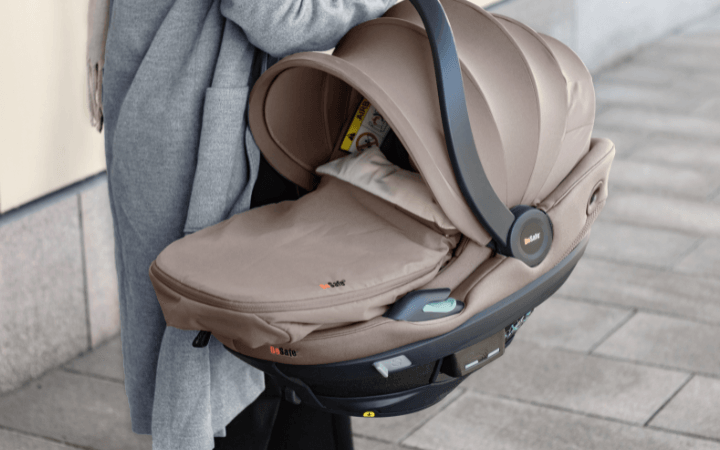
ABOUT US:
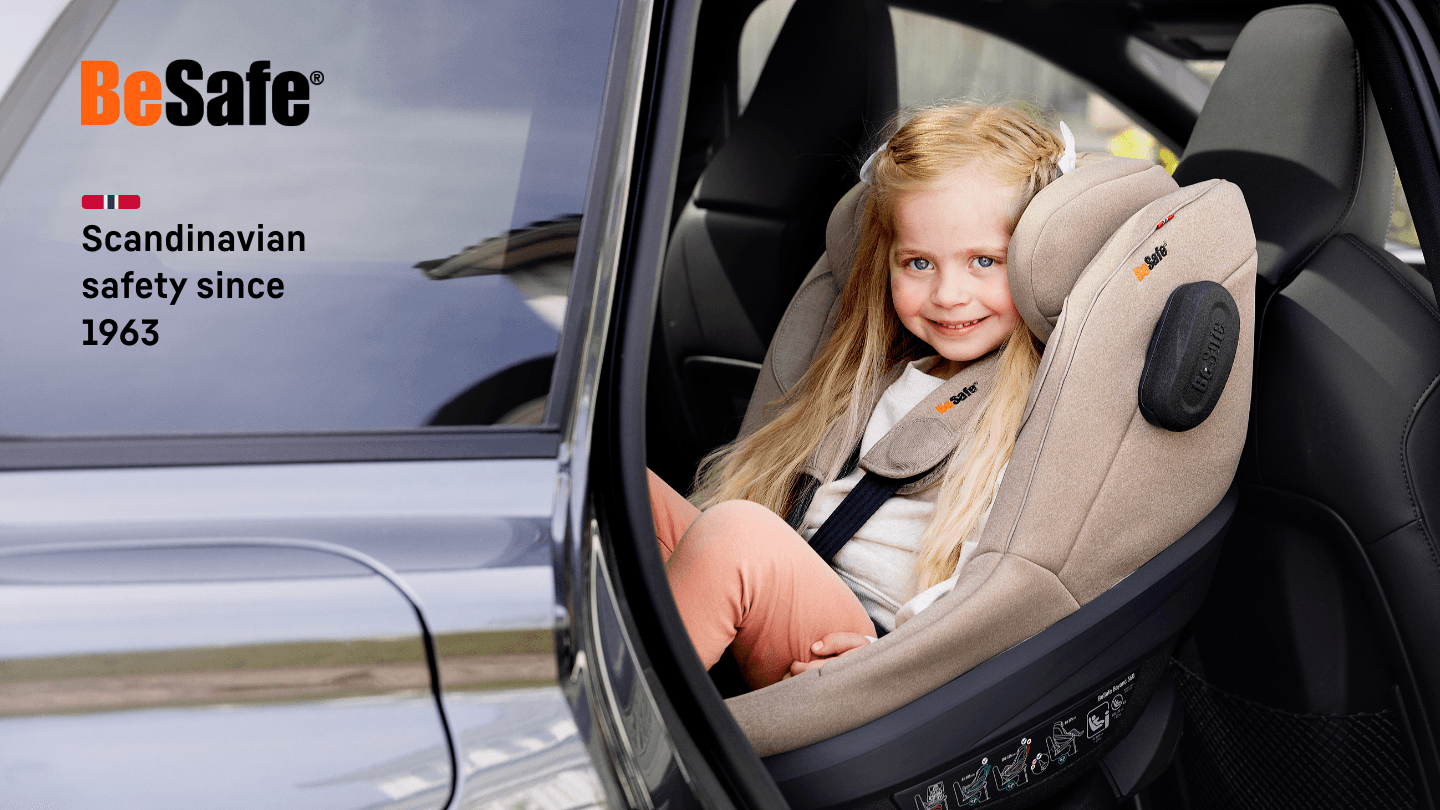
"Safety and comfort have been part of BeSafe’s DNA for generations. As a Norwegian family-owned company, BeSafe has been dedicated to protecting children since 1963—building on craftsmanship that began with horse saddles in 1919 and evolved into car interiors before specialising in child car seats. That heritage shapes everything they do today.
From their home in the Norwegian countryside, the Torgersen family continues to lead BeSafe with the same commitment to quality and responsibility. They may not be the world’s largest manufacturer, but they take pride in being a trusted choice for families who want the safest, most thoughtfully designed seats for their children.
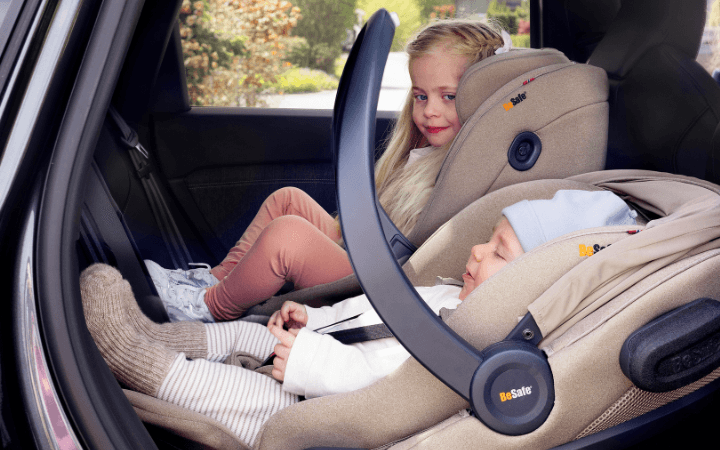
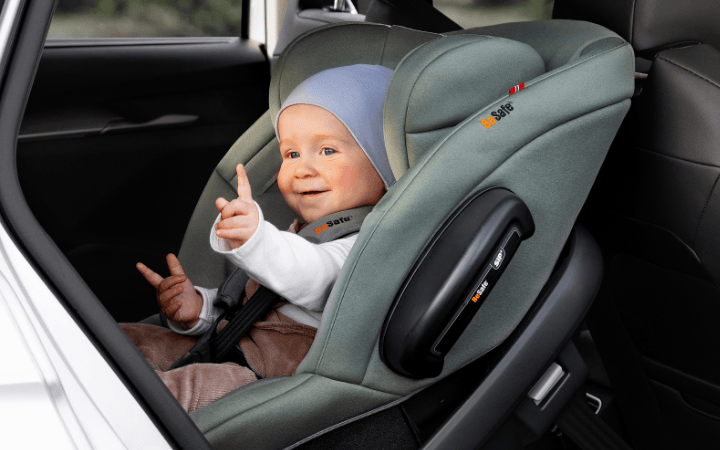
BeSafe is known as a pioneer in rear-facing travel. Back in 1989, they introduced their first rear-facing car seat and advocated for keeping children facing backwards for as long as possible—long before it was widely recognised as the safest option. Their early stance helped shape modern safety standards, and they remain committed to sharing knowledge and improving child safety worldwide.
While rules, lifestyles, and technologies have changed over the decades, BeSafe’s mission has stayed the same: create products that give children exceptional protection and give parents peace of mind on every journey."
Why rear facing matters
Did you know that using a rear-facing car seat can protect your child five times better than a forward-facing one? At BeSafe, we strongly recommend keeping your child in a rear facing as long as possible (ideally until 6/7 years).
Link for more information: https://www.besafe.com/en/safety-tips/safety-education/rear-facing-car-seats-are-5x-safer/
Why rear-facing is the safest choice
Children’s bodies are not just “smaller versions” of adults. Their proportions are very different — for example, a one-year-old’s head makes up about 25% of their body weight, compared to only 6% for an adult. And their bones and muscles are not fully developed yet. That means a child’s neck is much more fragile and vulnerable in a crash.
Rear-facing seats protect the neck
In a forward-facing seat, the child is held solely by the harness belts and the head is thrown forward in a frontal crash, putting up to five times more strain on the neck than in a rear-facing seat. In a rear-facing seat, the child is pressed safely into the seat, and the forces are spread across the back and absorbed by the seat itself.