
The Ultimate Guide to Choosing Your First Pram
Bringing your baby home is one of life’s most exciting and precious moments, and we at Pram Centre are happy and privileged to be a part of it. As you prepare for your new arrival, one of the most significant and often overwhelming purchases you’ll face is the pram or pushchair. It’s more than just baby transport; it’s a central piece of equipment that will affect your daily life for years to come.
By the end of this comprehensive pram buying guide, you won’t just know the difference between a stroller and a travel system; you’ll have a clear, personalised strategy for choosing the ideal model. You will be empowered to walk into a store or browse our massive online collection with confidence, knowing exactly what to look for in a pram that matches your unique lifestyle, budget, and needs.
Table of Contents
TL;DR: Key Takeaways
Choosing the best pram for a baby doesn’t have to be a guessing game. Here are the core facts you need to know:
- Pram vs. Pushchair vs. Stroller: A ‘Pram’ is primarily for newborns and features a lie-flat carrycot; a ‘Pushchair’ is for an older, sitting-up baby; and a ‘Travel System’ combines both, offering maximum versatility from day one.
- The Golden Rule of Timing: Most experts suggest you should start looking and finalising your choice between 12 and 20 weeks of pregnancy to allow for production/shipping lead times and your financial planning.
- Lifestyle is the Best Filter: The single most important factor is where you live and how you will use it. City dwellers need compactness, rural parents need robust wheels and suspension, and car users must prioritise car seat compatibility.
What is a Pram?
To answer what pram to buy, you first need to understand the basic terminology.
Key Definitions: The Jargon Explained
| Term | Definition | Use Case |
| Pram | Historically, a classic, large carriage with a lie-flat, reversible, full-size carrycot. Only suitable for newborns. | Newborns (0–6 months) need a completely flat surface for spine development. |
| Pushchair | A seat unit where the baby can sit up, usually adjustable and reclinable. Also known as a buggy or stroller. | Babies who can sit up (usually 6 months+) up to toddlerhood. |
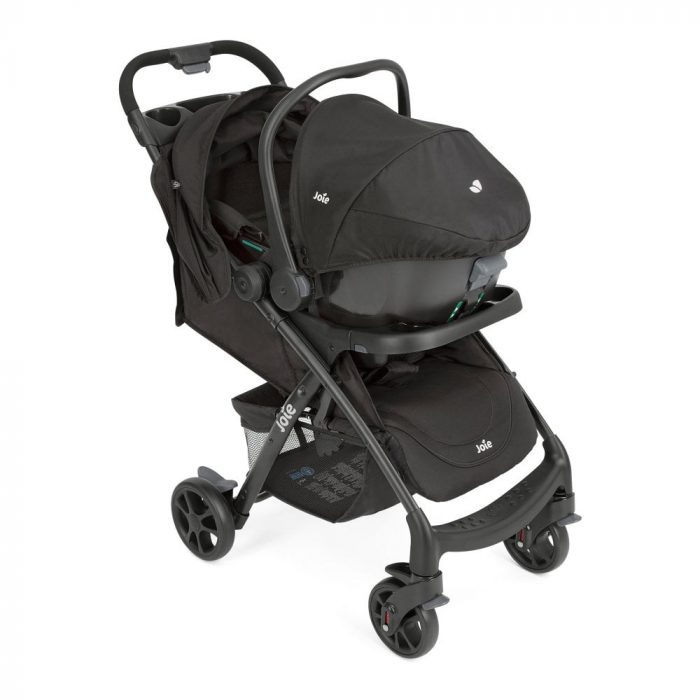
| Travel System | A chassis (frame) that can accept a carrycot, a pushchair seat, AND a compatible infant car seat. The ultimate multi-functional choice. | Parents seeking an all-in-one solution for seamless car-to-pram transfers. |
| Carrycot | A detachable, lie-flat bed for newborns that clicks onto the pram chassis. Essential for extended use with newborns. | Long walks and overnight sleeping (if approved). |
| Car Seat | An infant carrier that clicks onto the pram chassis with adapters, making the pushchair a true travel system for you. | Short trips and quick transfers without waking the baby. |
The Evolution of Baby Transport
The sheer number of options—from travel systems and 3-wheelers to carrycots and lightweight strollers—can make the process confusing. Prams have moved on from simple wicker baskets on wheels. Modern pushchairs and travel systems are engineered for safety, comfort, and, crucially, parental convenience. Today, you are looking for a system that can adapt from a cosy newborn bed to a robust toddler chariot, often with a single click.
Before You Start Shopping
To ensure you choose the best pram for your baby, you must measure and consider the following before you browse:
- Boot Space: Measure the length, width, and depth of your car boot. A pram’s folded size is non-negotiable if you plan to transport it by car.
- Doorways & Hallways: Measure the width of your front door and any narrow hallways/lifts you use daily (e.g., apartment blocks).
- Storage Area: Where will the pram live when not in use? Do you have space for a large, assembled frame, or do you need something that folds flat?
How to Choose a Pram: The Decision-Making Process
The right pram is a perfect match for your daily life. Compare options side-by-side below.
Types/Categories: Finding Your Perfect Match
| Type | Pros | Cons | Best Suited For |
| Travel System | Versatile, all-in-one solution, excellent value, and car seat compatibility. | Often heavier and bulkier than a simple stroller, it can be complicated to assemble initially. | First-time parents, car users, and those who want one system for 0–3 years. |
| 3-Wheeler | Highly manoeuvrable, great for rough terrain and jogging, stable. | It can be more difficult to fold and is generally less stable when stationary than 4-wheelers. | Active parents, those living in rural areas or with uneven pavements. |
| Lightweight Stroller/Buggy | Extremely compact and easy to fold, perfect for travel or quick errands. | Not generally suitable for newborns (unless fully reclinable), less durable. | Travel, quick trips, second-time parents, or those with limited storage. |
| Tandem/Double | Carries two children (of the same or different ages). | Heavy, wide (side-by-side) or long (tandem), can be harder to steer. | Twins or families with two young children. |
When Should You Buy a Pram?
While you can purchase a pram at any time, we advise ordering your main travel system between 16–20 weeks of pregnancy.
This timeframe allows ample time for delivery (some popular models have long lead times), gives you time to practice assembling and folding it, and ensures you aren’t rushing in the third trimester. Waiting until you are closer to your due date also risks delays or you being unable to get the exact model you want.
Finding the Best Value
Pram costs vary significantly based on brand, materials, and features:
- Entry-Level (Up to £300): Focus on basic safety and functionality. Likely a simple pushchair or a very basic travel system. Good for occasional use.
- Mid-Range (£300–£800): Where most high-quality travel systems sit. You gain better suspension, easier folding mechanisms, and more robust fabrics. Best value for money.
- Premium (£800+): Features luxury materials, superior suspension, unique designs, and advanced features like fold-assist technology.
Cost Factor: Remember the cost of essential accessories (rain covers, footmuffs) when calculating your total budget. Our prices are competitive and often come as bundles to save you money.
Step-by-Step Plan
Here is your actionable plan for choosing and buying your perfect pram.
Phase 1: Preparation (Define Your Needs)
Acknowledge Your Terrain: Will you be navigating busy city streets or bumpy park paths?
- Best Practice: City parents need a lighter chassis and swivel wheels. Rural parents need large, air-filled, or foam-filled wheels and superior suspension.
Primary Transportation: How often will the pram go in the car?
- Best Practice: Often, the single most important feature is the one-handed, compact fold. Test this in-store!
Baby’s Age and Family Growth: Will you need to accommodate a second child within 2-3 years?
- Best Practice: If yes, consider prams that can convert from a single to a tandem/double without requiring a new purchase.
Phase 2: Execution (The Feature Check)
When you test a pram, focus on these useful features to look for when choosing your pram:
| Feature | Why It Matters | Priority |
| Handlebar Height | Must be adjustable to suit both parents’ heights to prevent back strain. | High |
| Brake System | It should be easy to engage and disengage with your foot, even in flip-flops. | High |
| Storage Basket Size | How big is the shopping basket underneath? Will it hold a decent amount of groceries or a changing bag? | High |
| Seat Reversibility | Can the seat face the parent (for reassurance) and face out (for curiosity)? | Medium |
| Canopy/Hood | It should offer a high UPF rating, wide sun and wind protection, and a peek-a-boo window. | Medium |
| Suspension | Crucial for a smooth ride and uninterrupted sleep on bumpy surfaces. Test by gently pushing down on the frame. | High |
Phase 3: Maintenance/Refinement (Finalising Your Purchase)
- Test the Extras: Ensure the car seat adapters are included (or purchase them), and check the ease of attaching/detaching the carrycot.
- Review the Fabric: Is the material water-resistant and easy to wipe clean? Removable, washable seat covers are a major plus.
- Confirm the Guarantee: All our products at Pram Centre come with a comprehensive guarantee, offering peace of mind for your investment.
Common Pram Problems
| Problem | Cause | Solution |
| Difficult to Fold | The mechanism is stiff, or you are using the wrong sequence. | Read the manual before your baby arrives. Apply a silicone lubricant spray to joints. |
| Squeaky Wheels | Dirt or rust on the axle. | Clean the wheels regularly and use a small amount of oil or silicone spray on the moving parts. |
| Car Seat Wobble | Incorrect attachment or use of incompatible adapters. | Always double-check the ‘click’ when attaching the car seat. Ensure your car seat and adapters are the correct type for your chassis. |
Making the Most of Your Pram
- Pram Liners & Footmuffs: These are not just for warmth; a good liner protects your pram’s seat fabric, extending the life of your purchase and making cleaning easier.
- Harness Management: Learn how to quickly and safely adjust the five-point harness. As your baby grows, the harness height needs to be adjusted—often via shoulder strap slots—to ensure maximum safety.
- The Second-Stage Stroller: For toddlers (2 years+), consider a separate, very lightweight stroller (often called an umbrella fold). These are a simple, cheap option for quick trips and holidays when the bulk of the travel system is unnecessary.
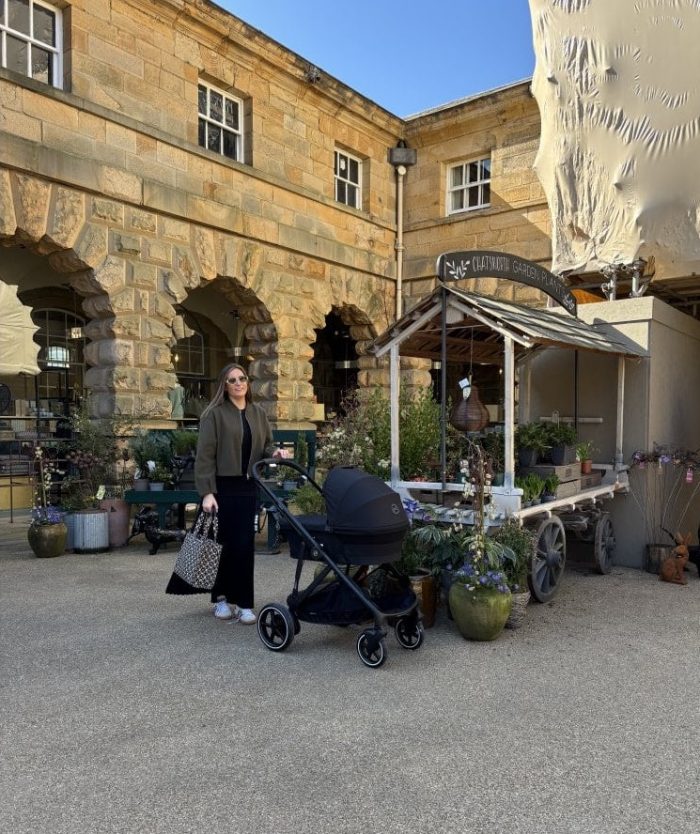
Don’t let the complexity of choice overwhelm the excitement of the journey. Trust the facts, rely on the key features we’ve outlined, and remember that the right pram is the one that fits your life.
At the Pram Centre, we bring our unrivalled prices and unbeatable service right to your home. Browse our range of prams and let us help you find the perfect system so you can spend more time enjoying those special, precious moments with your new baby.
Comments are closed here.