
Navigating Types of Prams: An Essential Guide
As a new parent, the world of baby gear can feel overwhelming, especially when choosing the perfect pram for your new arrival. You need a safe, reliable, and comfortable way to explore the world together, and that’s where we come in.
This deep dive into the types of prams will cut through the confusion, explaining the features, pros, and cons of each model, so you can confidently find the best pram for your newborn and beyond.
TLDR: Quick Guide to Pram Types
| Pram Type | Best For | Key Feature(s) |
| Pram/Carrycot | Newborns (0-6 months) | Lie-flat position (vital for spine/lung development), Parent-facing. |
| Travel System | Drivers & Frequent Movers | 3-in-1: Chassis, Pushchair Seat, Infant Car Seat (Car-to-Chassis). |
| Pushchair/Stroller | Older Babies/Toddlers (6+ months) | Upright or reclining seat, Lightweight and compact fold. |
| Twin/Double | Twins or Siblings close in age | Carries two children side-by-side. |
| Tandem | Twins or Siblings close in age | Carries two children, one behind the other (narrower). |
| 3-Wheeler/All-Terrain | Active/Rural Parents | Large, robust wheels, superior suspension, great for jogging/rough paths. |
| Compact/Lightweight | Travel/Public Transport/Small Spaces | Ultra-compact, easy to fold, small, and portable. |
Table of Contents
- Understanding the Terminology: Pram vs. Pushchair vs. Stroller
- The Foundation: Prams & Carrycots (The Classic Choice)
- The Ultimate Convenience: The Versatile Travel System
- For Growing Families: Double and Tandem Pram Types
- For Active Lifestyles: 3-Wheeled and All-Terrain Prams
- The Flexible Option: Lightweight and Compact Pushchairs
- Buying Tips, Safety, and Maintenance Advice
- Frequently Asked Questions (FAQs)
- Your Next Steps with Pram Centre

Understanding the Terminology: Pram vs. Pushchair vs. Stroller
Before diving into the different types of prams, let’s clarify the most common terms you’ll hear in the UK:
- Pram (or Coach-Built Pram): Traditionally refers to the classic, deep, sprung bassinet on wheels, designed exclusively for newborns to lie completely flat. Many modern “prams” are technically pushchairs used with a separate carrycot.
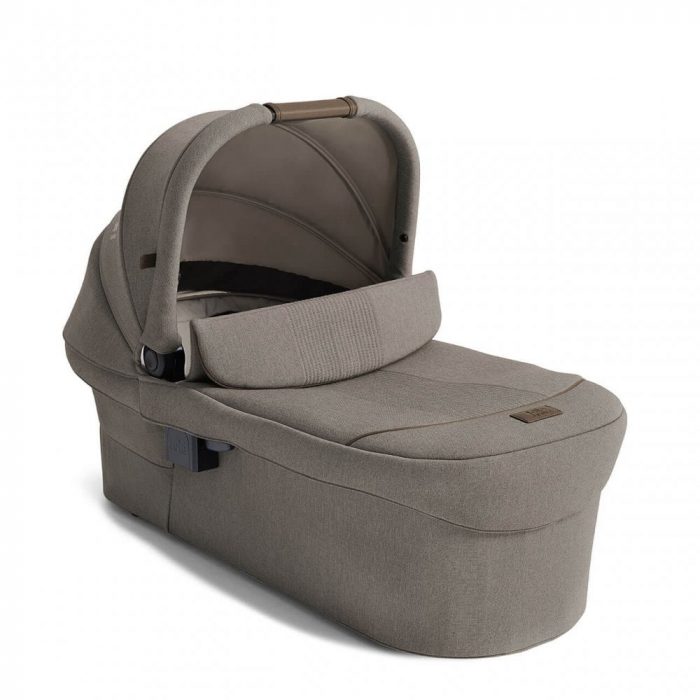
- Carrycot: The removable, lie-flat bed attachment used on a pushchair chassis. This creates the optimal, flat environment for a newborn, supporting their developing spine and lungs until around 6 months or until they can sit up unaided.
- Pushchair: The main unit, featuring a seat. Often suitable from birth (if it reclines fully flat) or from 6 months, and is designed to last until your child is a toddler (usually up to 3-4 years old or 15kg/22kg). Many have reversible seats (parent or world-facing).
- Stroller/Buggy: Generally refers to a lighter, more compact, less robust version of a pushchair, typically used for older babies (6 months+) or as a secondary pram for travel. They usually fold very flat or in an “umbrella” style.
Key Rule: If you are buying for a newborn (0-6 months), the unit must allow your baby to lie completely flat. This is the single most important factor.
The Foundation: Prams & Carrycots (The Classic Choice)
This is the quintessential pram type for the first few months.
- What is it? A pushchair chassis paired with a dedicated carrycot attachment. The carrycot offers a snug, protected, lie-flat environment: perfect for sleep and healthy development.
- Pros:
- Newborn Essential: Provides the medically recommended lie-flat position.
- Comfort & Protection: Often deep-sided with large hoods for ultimate comfort and shelter.
- Overnight Sleeping: Some high-quality carrycots are approved for occasional overnight sleeping (check specifications).
- Cons:
- Short Lifespan: Only used for around 6 months before the baby outgrows it or moves to the seat unit.
- Storage: You must store the carrycot when not in use.
- We Recommend: Joie offer plenty of pram and carrycot bundles perfect for new parents looking to get all the necessities in one place!
Practical Tip: Many parents love the close connection fostered by having their newborn in a parent-facing carrycot.
Shop Prams and Carrycots at Pram Centre
The Ultimate Convenience: The Versatile Travel System
The Travel System is one of the most popular choices today, especially for families who drive frequently.
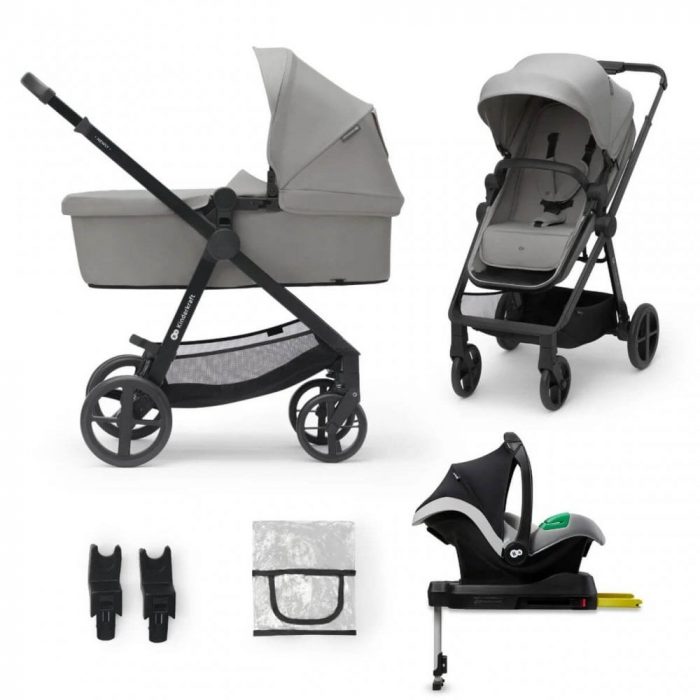
- What is it? An all-in-one package that includes the chassis, a pushchair seat unit, and an infant carrier car seat, all of which can be attached to the same frame (often with adapters). Many bundles also include a carrycot, making them a true 4-in-1 solution.
- Pros:
- Seamless Transitions: Move a sleeping baby from the car to the pram chassis in seconds: a lifesaver on quick errands.
- Longevity: Designed to be the only pushchair you’ll need, from newborn (using the carrycot/car seat) up to toddlerhood (using the seat unit).
- Value: Buying a bundle often represents a significant saving compared to purchasing all components separately.
- Cons:
- Bulkier: Can be larger and heavier than a simple stroller due to its robust, multi-functional frame.
- Bulkier: Can be larger and heavier than a simple stroller due to its robust, multi-functional frame.
- We recommend: Travel System packages from Kinderkraft are lightweight and multi-functional, featuring an i-Size car seat with adaptors and often an ISOFIX base.
Important Safety Advice: Do not leave your baby in the car seat on the chassis for extended periods. Infant car seats should be used only for travel, and health professionals recommend no more than 2 hours at a time to support healthy breathing.
For Growing Families: Double and Tandem Pram Types
Expecting twins or have a toddler and a newborn? You’ll need a specialised pram type for two children.
Twin (Side-by-Side)
- What is it? Two seats are positioned next to each other, giving both children the same view and equal space.
- Pros: Both children are easily accessible and can see the world equally. Often suitable from birth with carrycots or lie-flat seats.
- Cons: Width is the key factor. It can be tricky navigating narrow doorways, small shop aisles, or crowded pavements.
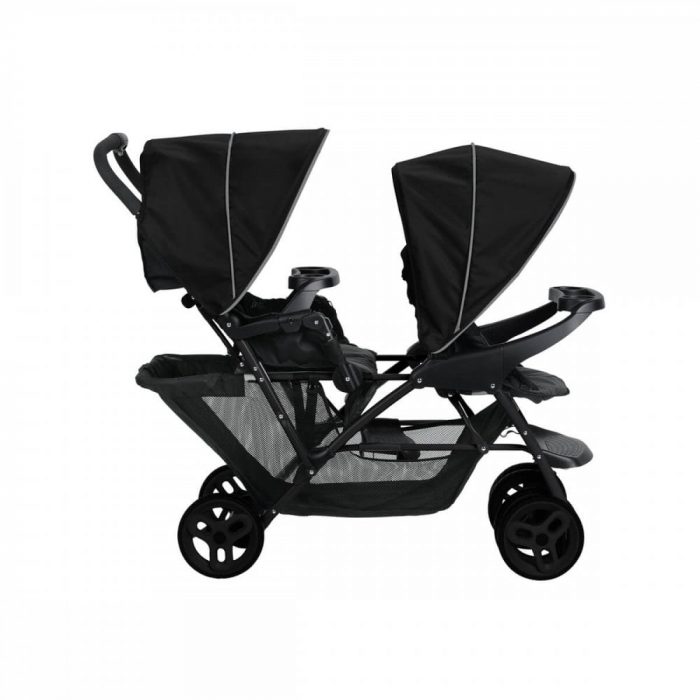
Tandem (In-Line)
- What is it? One seat is positioned in front of or above the other.
- Pros: Much narrower than a twin, making it easier to fit through standard doorways and navigate public transport. Pushes more like a single pram.
- Cons: The child in the back seat may have a restricted view. Can feel longer and slightly more difficult to manoeuvre over kerbs.
- We Recommend: Bugaboo has mastered the art of seamless twin prams with their popular Donkey range, which is versatile, easy to push, and ready for the future.
Single-to-Double Adaptable Prams
These are a fantastic future-proofing option for first-time parents who plan to have more children. They start as a single pushchair but can have a second seat or carrycot added later with a simple adapter system.
Shop Tandems and Twin Prams at Pram Centre
For Active Lifestyles: 3-Wheeled and All-Terrain Prams
If you live in a rural area, love hiking, or plan to continue your jogging routine, an all-terrain option is the way to go.
- What is it? Defined by a robust frame, superior suspension, and large, sturdy, often air-filled tyres (like a bicycle). They typically feature three wheels: two fixed or swivel wheels at the back and one swivel/lockable wheel at the front.
- Pros:
- Smooth Ride: Excellent shock absorption makes light work of gravel, grass, cobbles, and rough paths.
- Manoeuvrability: The single front wheel offers outstanding turning capability.
- Active Use: Specific jogging prams are designed for running (but remember to only use them with a child over 6 months).
- Cons:
- Bulkier Fold: Can be quite large and heavy when folded, taking up significant boot space.
- Punctures: Air-filled tyres offer the best ride but can be susceptible to punctures.
- We Recommend: The Venus Jogger range from Ickle Bubba is perfect for exercising with a little one, and each stroller comes with a footwarmer, cup holder and rain cover!
Expert Advice: Look for a lockable front swivel wheel. Locking the front wheel provides stability when moving at speed or over very rough ground.

The Flexible Option: Lightweight and Compact Pushchairs
Also known as buggies or umbrella strollers, this pram type is perfect for older babies, travel, and city living.
- What is it? A simpler, often umbrella-folding pushchair designed for portability. They typically use an upright, forward-facing seat.
- Pros:
- Ultra-Light: Easy to carry, lift in and out of the car, and use on public transport.
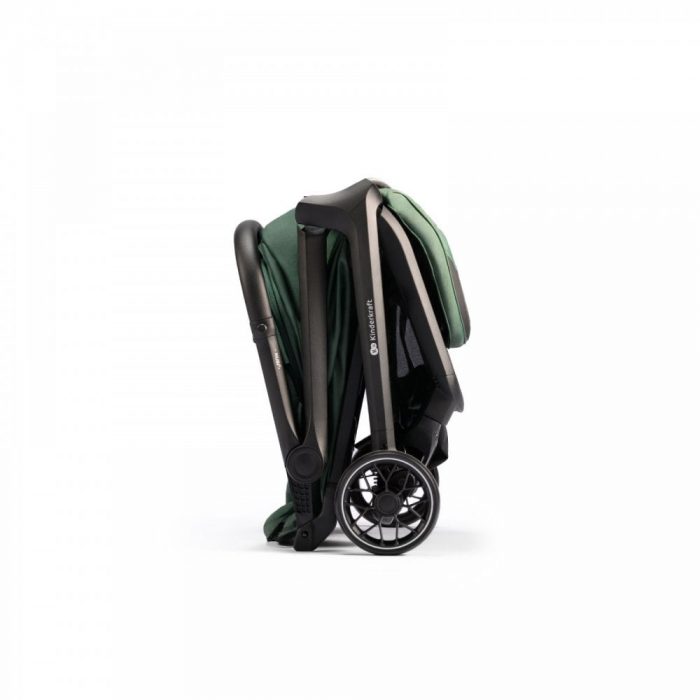
- Compact Fold: Perfect for small car boots, tight storage spaces, or flying/travelling.
- Affordability: Generally, the most budget-friendly pushchair option.
- Cons:
- Less Suspension: Can offer a bumpier ride than full-size pushchairs.
- Not Always Newborn Ready: Most are only suitable from 6 months, though premium compact models now offer full lie-flat recline or carrycot options.
- We Recommend: Kinderkraft’s Nubi 2 Compact Pushchair is ideal for lightweight travel, sporting a single-handed folding system that ensures folding in seconds.
Buying Tips, Safety, and Maintenance Advice
Selecting from the many pram types is only the first step. Here are our top tips:
Key Buying Considerations
- Your Lifestyle: Are you city-based (compact/lightweight), a frequent driver (travel system), or a country walker (all-terrain)? Your daily routine dictates the best choice.
- Car Boot Size: Always measure your car boot and check the pram’s folded dimensions: it must fit comfortably, leaving room for shopping!
- The Fold: How easily and quickly does it fold? Can you do it one-handed while holding the baby? This is vital for daily practicality.
- Handles and Height: Ensure the handlebar height is comfortable for both you and your partner to push without stooping.
- Storage Basket: A large, accessible shopping basket underneath is an absolute necessity for holding the changing bag, groceries, and any baby essentials.
Safety First!
- Brakes: Always engage the brake when you stop, even for a moment. They should be red, clearly visible, and easy to use.
- Harness: Always use the 5-point safety harness. It should be securely fastened around your baby’s waist and between their legs.
- Weight Limit: Never exceed the manufacturer’s recommended weight limit for the seat or the storage basket. Hanging heavy bags on the handle can cause the pram to tip.
- Newborn Position: Ensure a lie-flat position (180°) for newborns (0-6 months) to support spinal development and a clear airway.
Pram Maintenance
- Cleanliness: Wipe down the frame regularly. The seat fabric can usually be removed and washed (check the care label).
- Wheels: Remove hair and dirt build-up from the wheel axles. If you have air-filled tyres, keep them properly inflated.
- Brakes: Check the brake mechanism regularly to ensure it engages securely on both wheels.

Frequently Asked Questions (FAQs)
What is the best pram for a newborn?
The best pram for a newborn is one that allows your baby to lie completely flat (180°), such as a dedicated pram with a carrycot or a pushchair that offers a full lie-flat recline. The carrycot option is preferred as it is the most comfortable and protective environment for the first 6 months.
How long does a baby stay in a carrycot?
Babies typically stay in a carrycot (or a pram’s lie-flat mode) for the first 6 months, or until they can sit up unaided. Once they start trying to pull themselves up, they must be moved to the pushchair seat unit.
What is the difference between a stroller and a pushchair?
A pushchair is generally more robust, designed to last from newborn (with a carrycot) to toddler, and often offers parent- and world-facing options. A stroller (or buggy) is typically more lightweight, compact, and designed for older babies (6 months+) for maximum portability and ease of travel.
How can I make my pram suitable from birth?
If a pushchair seat does not recline completely flat, you need to purchase a compatible carrycot or a soft, padded cocoon/bassinet insert. Always check the manufacturer’s specifications to ensure the product is officially approved for use from birth.
Your Next Steps with Pram Centre
Choosing between the numerous pram types is a big decision, but it should be an exciting one!
At the Glasgow Pram Centre, we stock the UK’s largest display of prams, pushchairs, and travel systems from all major suppliers. We understand the confusion and are here to help you match your lifestyle to the perfect set of wheels.
Ready to find your perfect pram?
- Explore Our Full Range: Browse our extensive selection of baby prams and pushchairs online.
- Visit Our Showroom: Come and feel the quality for yourself! Our experts are on hand to demonstrate folding mechanisms, show you how our single-to-double prams adapt, and answer every question you have.
Comments are closed here.